Inexpensive Exercise: Build a Home Gym on a Budget

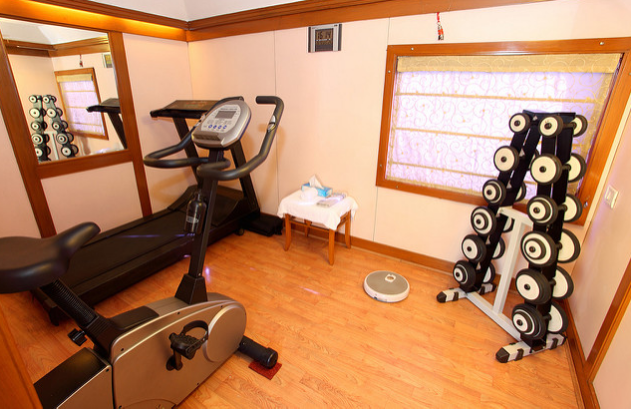
A home gym can make keeping fit a lot easier. Whenever you feel like working out, you only have to wander into your gym in your workout clothes. There’s no need to drive anywhere or pack a bag. You can save a lot of time and perhaps some money too. However, if you want to save by building a home gym, it could take a while before your investment pays off. If you can keep your budget down, it will be less time before you’ve made a saving compared to a gym membership. Setting up a home gym doesn’t have to be expensive, so follow these tips if you’re on a budget.
home_gym4

Try Before Buying


One mistake that many people make when they set up a home gym is to buy equipment they have never tried. They research what they should have in their gym and buy the recommended items. But then they don’t end up using several things, so have wasted their money on their purchases. Before you get anything, it’s always a good idea to try it and see if it’s right for you. That goes for anything from running machines to yoga mats. There’s no point getting something you’re never going to use. Go to a few sessions at your nearest gym or take some classes to find out if a piece of equipment will be useful for you.


Choose Equipment for Full-body Workouts
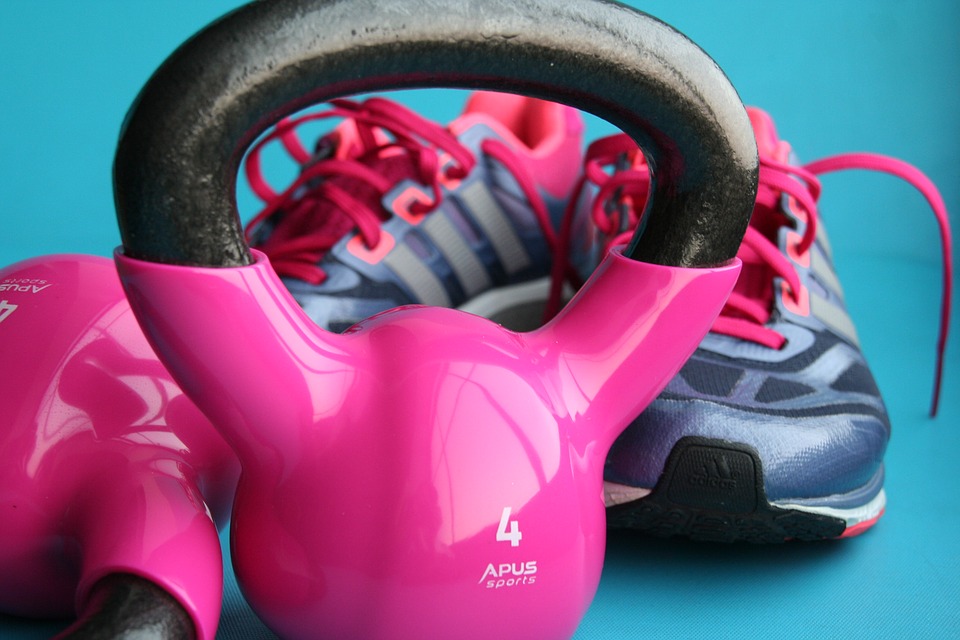
If you want to save money, the less you buy, the better. However, you probably think that you need different equipment for various purposes. You might want to lose weight and work on toning various areas of your body. Before you start buying everything under the sun, consider the things that can give you a full-body workout. For example, a rowing machine or cross trainer are great options for larger machines. However, there are cheaper things to consider too. For example, a simple yoga mat can help you improve flexibility for your whole body. If you can buy fewer pieces of equipment, you’ll save more money.
home_gym3

Find the Best Value Items

Whenever you buy anything, you should compare prices before you buy. Don’t go straight for the most popular and expensive choice before you know your options. It can be hard to find the right balance between quality and cost. However, if you learn what to look for, you can make sure you get a good deal. There are always cheaper versions of the things you’re looking for. If it’s your first time buying, it’s often better to go for the less expensive option. For example, if you’re looking for spinner bikes, there are some great low-budget choices. Once you know you get a lot of use out of the bike, you could trade it in for something of higher quality.


Avoid Buying Machines

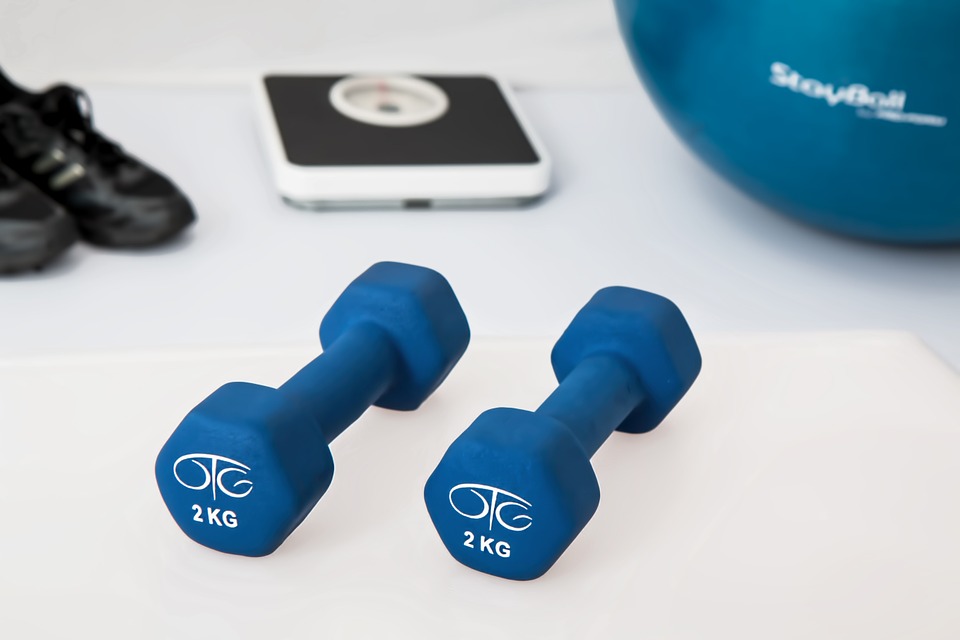
Another option to help you save is to avoid buying any machines at all. They are by far the most expensive pieces of equipment, especially if you choose the better quality ones. Other equipment, such as free weights, can get expensive too. But it’s often the kind of thing that will allow you to start small and build a collection. For example, you might begin with just a few dumbbells of varying weights. As you start to use them more, you can get some heavier weights or some different styles. There are lots of other things you can add to a home gym, from yoga mats to aerobic steps or exercise balls.
home_gym2

Buy Used Equipment


The thing about setting up home gyms is that many people do it, and many don’t last long. People set themselves goals, but they barely use the equipment they buy and quickly sell it on. If you want to save on anything for your home gym, don’t forget to look for second-hand equipment. You should be able to find items suitable for you all year, but you could see more a few months after the new year. It’s common for people to try and get fit as a New Year’s resolution and give up before the year is halfway over. It’s a great way to save on larger equipment.


Get Good Deals on Gym-quality Equipment


The items you buy are home aren’t likely to be as heavy-duty as what you would find at the gym. But if you want to get serious, you might look at gym-quality equipment. Unfortunately, you can pay a lot of money to get that sort of thing. Another option is to find a great deal from a gym or a retailer or manufacturer. Gyms often go out of business so it’s easier than you might think to snap up their equipment. You could still pay the same prices as you would for new home-quality equipment. However, you’ll get something that lasts longer and could do more too.

home_gym

Source: stevepb


Use Your Bodyweight


If you want to keep your gym equipment costs low, you should try to use your bodyweight to work out. There are cheaper items you can buy to help you do this so you don’t need expensive equipment. For example, a chin-up bar is inexpensive and easy to set up anywhere. You can put one in a doorway and start working out in seconds. It can even be a portable item you can take wherever you go.


Know Your Goals


Before you start building your home gym, make sure you have an aim in mind. You should know what sort of exercise you want to do. Otherwise, you run the risk of choosing things for your gym at random. You don’t want to find a list of items and just buy everything on the list. You need to set clear goals and understand how to reach them. A home gym shouldn’t just be a one-size-fits-all model. It should be different for everyone, depending on what sort of workouts you want to do.
Your home gym doesn’t have to be flashy and expensive. It only takes a few items to provide you with the equipment you need.


Posted in Fitness/Health | 1 Comment

Tips on Helping Your Baby Sleep Through the Night

Nothing is sweeter than watching your little one sleep – peaceful…and quiet.
But that can be short lived if they are not accustomed to sleeping through the night; which can be a task in itself. Now this Mama does not do well with interrupted sleep, so there’s a few things I did to ensure that my little ones learned to sleep through the night – as soon as possible.

Now when they are infants (usually the first few months) no matter what – expect to lose sleep. They have to eat every few hours, and no amount of routine or well wishing will change this. Usually between 3 and 6 months your little one will get to a point where they can at least sleep a straight 6 hours – and this is when you want to implement a routine to help keep it that way.

baby_sleeping

Routine. As I mentioned, implementing a routine is the best way to get your baby to sleep through the night. Whether its a bath then cuddle time, or story time, pick a routine and then stick to it. When my kids’ are on a night time routine not only do the evenings go smoother, but they fall asleep a lot faster. So pick what your doing and when, and stick to it!

Put Baby to Bed…Alone. Ok this one was especially hard for me – but if your little one gets used to sleeping on you, or with you – well Houston, we have a problem. I got a bit laxed when my son was born (#3) and allowed him to sleep in bed with me since his Dad was traveling so much – he is now 8 years old and there are still nights I have to fight to get him into his own bed. . and even then, he wants one of his sisters to lay down with him. Lay them down when they are tired, but not all the way asleep, and allow them to get used to being alone. Let them cry it out a bit (if needed) but eventually they will get used to being in bed and falling asleep there. This will also help a lot when it comes to waking up – most babies that go to bed and learn to fall asleep on their own, will also learn how to entertain themselves a bit when waking up (you’re welcome).

Put Baby to Bed with a Full Belly. This was key for my kids; breast milk or formula won’t always keep baby in bed for the entire night – giving them a full belly before bed with GERBER CEREALS.

GERBER CEREALS are also amazing as you mix it yourself – this way you can use your baby’s own breast milk or formula – a taste they are already familiar with – to help them make the transition. It’s a flavor bridge into solid foods. Plus you can mix a perfect ratio of cereal – breast milk to give your baby just the right texture, thin or slightly thicker for those early spoon feeding experiences – and it’s really fun to let them feed themselves!

gerber_cereal

Not only is it delicious and filling, but it 2 servings provide 90% of the iron babies need! 
gerber_cereal2


Posted in Parenting | Leave a comment

Why Your AC System Is Short-Cycling

Air conditioners naturally go through on and off cycles so that the temperature in your home is maintained around your set-point, but sometimes you may notice the system is going through faster and more frequent cycles. This process of shutting off too soon and starting up too quickly is known as short-cycling, and it’s not only indicative of a problem — it’s also further damaging your AC system. The additional strain could even burn out a compressor. And in the best-case-scenario: it’s already costing you money on your energy bills.


There are a few ways you can end up with this problem. And it might have started as early as the initial installation.


Size Does Matter


The root cause for this could be that the HVAC system is too large for the space it’s trying to cool. When systems are sized improperly, the end result is always inefficient cooling and increased wear and tear — in this case, an overpowered AC unit generally lowers the temperature at the thermostat pretty quickly, even if the rest of the house is still cooling down. After a moment of thermal exchange, the unit has to switch on again. The ductwork installed plays into this as well, but the basic principle is the same: if your AC system isn’t appropriate for your home, this is one of the ways it will try to tell you.


On the other hand, you might be getting ice on your evaporator coils. While the cause for this is more often neglect of the air filters, a system that’s too small to cool your space might be showing the signs of trying to work itself to death. What was probably once a run-on AC unit is simply becoming a short-cycling AC unit.


Clogged Air Filters


I know it can be easy to forget, but air filters are cheap, they need to be replaced monthly, and they absolutely deserve their own section in all things related to residential HVAC.


Size mismatches aside, the most common reason for short-cycling and numerous other issues I’ve seen is clogged air filters. If an air filter is clogged, the air conditioner has to work harder to compensate for the reduced airflow. But it can only do so at the expense of its own parts. The evaporator coil will not be able to absorb enough heat, and the system will start to shut down early. Typically, the blower motor and compressor will also be stressed and start to overheat, again leading to short cycles. Components will continue to wear and fail prematurely in this fashion until they are repaired or replaced.


Refrigerants and Compressors


The compressor circulates refrigerant through the system during operation, but the part is only designed to handle gas, and if exposed to liquid, can become damaged and throw off the system. Your short-cycling could be the first symptom you’ve noticed, but the end result of a damaged compressor is a replacement compressor.


Low refrigerant can also cause short-cycling and will tend to stress the compressor in particular. Most compressors are equipped with a low-pressure control to protect the compressor by shutting it off when evaporator pressure falls below the point where it should cut out. When the compressor is turned off, the pressure rises until it is high enough to restart. In this case, the low refrigerant is causing this to occur more frequently. Short-cycling associated with low refrigerant can also be accompanied by unusual amounts of heat (be careful not to try to touch the compressor directly, it may be extremely hot) and a slight burning odor. If you notice anything along the lines of heat or burning odors, shut off the unit and call an HVAC technician immediately.


Thermostats


Thermostat problems are another common reason for short-cycling. A malfunction in the thermostat, potentially from a short in the wiring, can lead to the thermostat sending the wrong signals to the AC system. The thermostat may also be reading the wrong temperatures due to its placement either in direct sunlight or directly under an AC vent. The sensor inside the thermostat may also be entirely defective. More modern thermostats will frequently have a timer to restrict short-cycling. This helps prevent further damage to the system, but makes short-cycling as a symptom a little harder to notice. Still, if the AC seems like it waits exactly five minutes and switches back on, that could be exactly what it’s doing.


The bottom line is that although there are several causes for short-cycling, it’s an important symptom to look out for and pay attention to. If your system gets to the point that you notice it, something’s already wrong, and it will only get worse if it’s not taken care of.


Oh, and when was the last time you changed your air filter?


Posted in Money Matters | Leave a comment

6-Minute Small Batch Salted Caramel Sauce

Fall is one of my favorite times of year – and the food that comes with it. We always attend the local Apple Festivals, and my favorite thing to eat with those juicy apples is some delicious salted caramel sauce. Wayy better than that stuff you pick up in the store – and also super easy. 6-minutes and you have yourself a delicious snack!

Yields: 8 oz jar of Salted Caramel Sauce

Prep Time: 1 minute| Cook Time: 5 minutes | Total Time: 6 minutes


Ingredients:

ingredients_caramel

2 tablespoons salted butter

½ cup light brown sugar, packed

¼ cup heavy cream

¼ teaspoon kosher salt

¼ teaspoon vanilla


Directions:


In a small saucepan over medium-high heat, whisk together butter, brown sugar, heavy cream, and salt.

in_process_caramel


Bring to a boil, then reduce heat. Simmer for 5 minutes – whisking frequently.

Whisk in vanilla, and then remove from heat.

Pour caramel sauce into heatproof jar and allow it to cool.

final_caramel_sauce
Notes: This sauce will burn easily if not consistently whisked. Do not leave unattended while cooking. The sauce will thicken as it cools. It is perfect for dipping apples, pouring over warm apple desserts, ice cream, or using in various fall recipes that call for caramel.

Follow my board on Pinterest for more recipes, crafts & fall ideas

Posted in Recipes | Leave a comment

The Household Guide to Care-Free Composting

There are a lot of miracles that occur in nature: The Aurora Borealis, The Great Barrier Reef, and the ability for natural waste (leaves, veggie peelings, other produce leftovers) to biodegrade into essential nutrients for rich soil. With the current health craze leaning towards “going green”, composting is one of the easiest things a family can do to reduce their carbon footprint and assist the environment in a natural way. By turning everyday waste into compost, you will not only diminish the amount of trash in landfills, you will be getting free, 100 percent organic fertilizer for your flower beds, garden or lawn.


While many major cities have added mandatory composting bins to their curbside collection, it is still not a global concept. Check your local municipality to see if you have a local composting center, and if not you can follow this guide to compost your own waste yourself.


Start Small

The most common mistake of any gardening project is to bite off more than you can chew. Especially if it is your first time to take a whack at gardening, you aren’t going to want to end up looking at a half-finished mess in your yard. Simply start with a plastic bin in a designated corner where you pile all of your organic waste and work your way up from there.


Pick a Reasonable Location

You wouldn’t put your kitchen garbage can in your bedroom or living room, so make sure the compost refuse is in a convenient location (close to your kitchen or garden) or you might not get as much mileage out of them as possible. You don’t even technically need an actual bin to start composting – just get a pile of leaves going in your back yard and add the organic waste to it. Keep a tight lidded compost container under the sink for quick kitchen waste, and add to your pile once it’s full.


Brown and Green Material Only!

You are going to want to only put organic material in to your compost pile. Brown materials will be the dead leaves and plants from your yard; Green materials are going to be the waste from produce, wet grass clippings, vegetable peels, etc. You should try to avoid putting meats, oils, fruit, and nonperishable items like disposable diapers in to the pile as they can attract rodents and slow the entire biodegrading process down.


Pro-Tip: Remember that water is necessary for attracting fungi, worms and bacteria. If you live in a region with a dry climate or dry season, remember to water your compost pile and place a cover over it to conserve the water more effectively.


Application

After around 6-12 months, the compost pile that you’ve been slowly growing and developing should be ready for use in your garden! Once it has turned into a dark and sweet smelling dirt, you can use it as a nutrient supplement for your flowerbeds and planter boxes.


Not only is this a great way to do your part to keep your garden green with items you’d just throw out anyway – you’re helping save the planet!


Posted in Cleaning & Organizing | Leave a comment