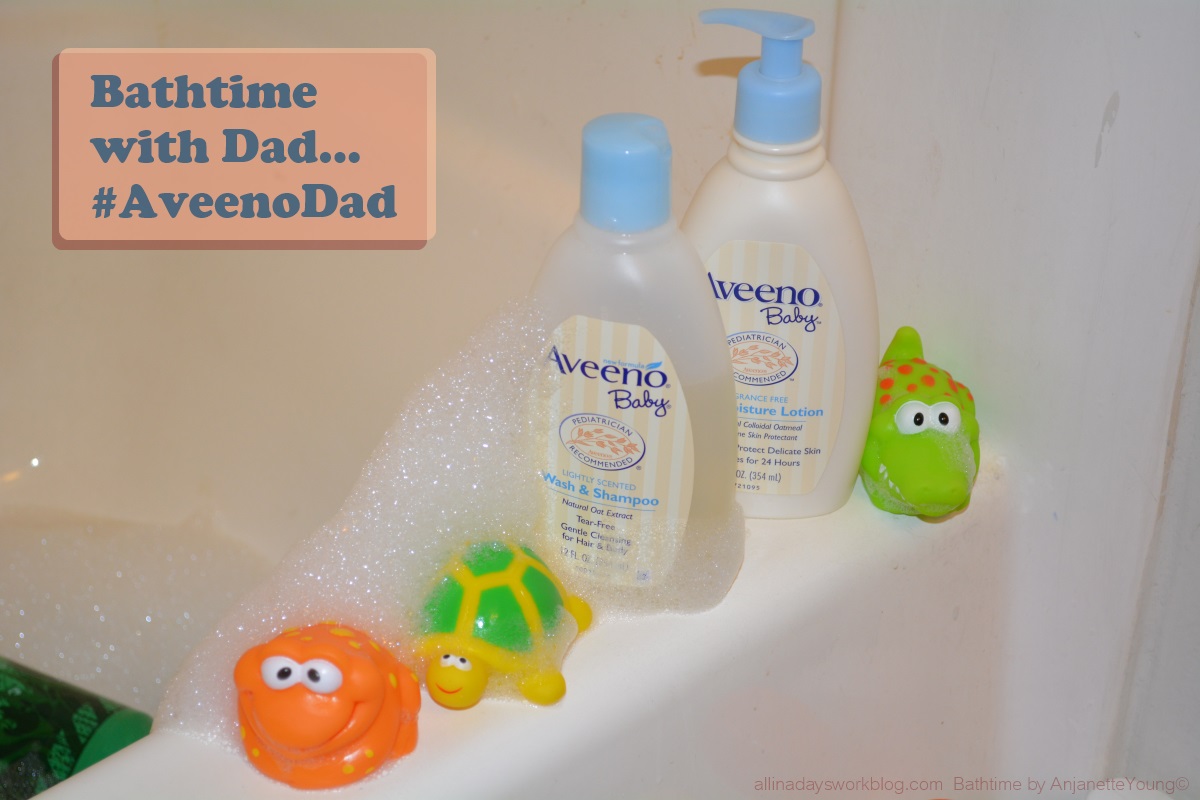
Bathtime with Dad #AveenoDad #sponsored #MC

I participated in an Influencer Activation on behalf of Mom Central Consulting for AVEENO.  I received product samples to facilitate my review a promotional item to thank me for participating.

Father’s Day is just around the corner and I often get asked what makes my husband, our kids’ father so special.  I’m not sure how to sum him up in 3oo words but I’ll try.

I remember the day I told him we were pregnant with our first child; he was Mr. Cool but very excited.  With each babies arrival and throughout their lives, I can see the love he has for our children simply by looking at him looking at them.  My big strong man so gentle and caring, but takes care of business if he needs too..  That is what I have always loved about my husband no matter how hectic work or his day is he can still find that sweet moment.  There is a time for sweet moments and there is a time for fun.  Fun we can have all year round is bath time fun.  With the Aveeno Baby Skin Care Line, Dad and the kids did just that…

Bathtime with Aveeno

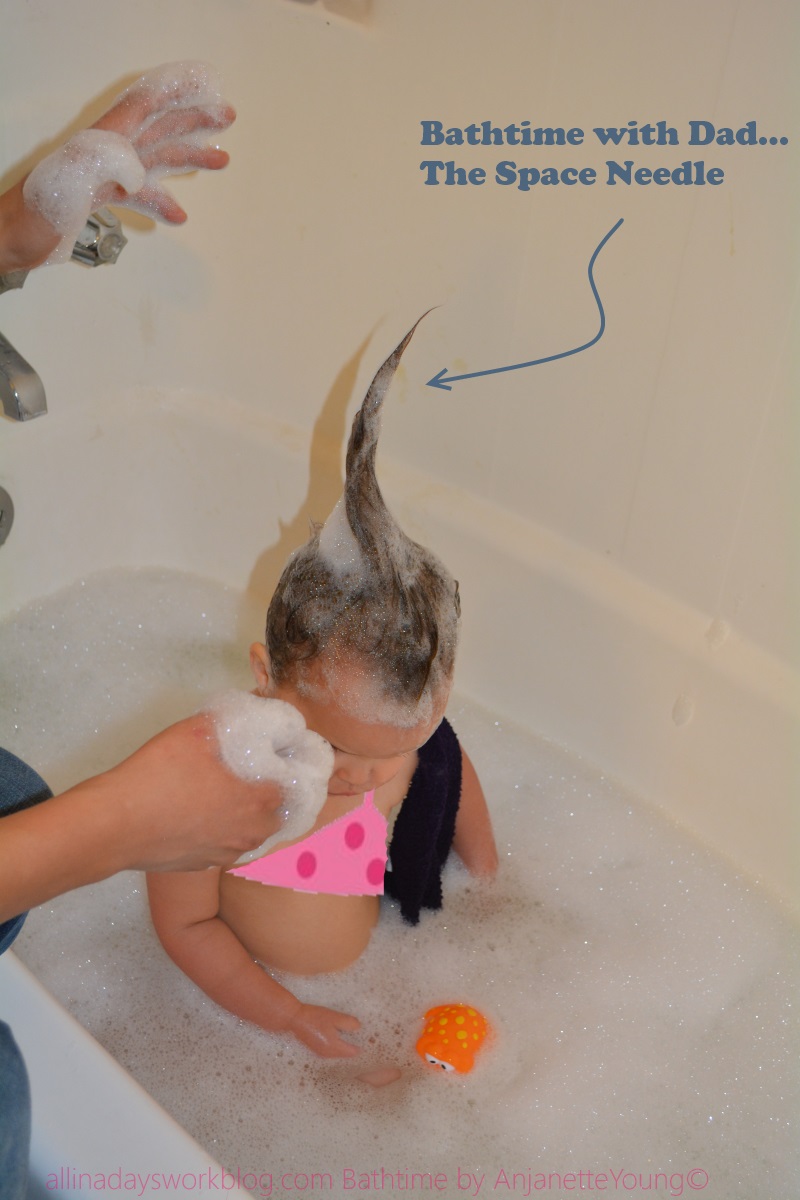
The girls love singing songs, playing with their bath toys, squirting Dad, laughing and playing.  It is the one time when everything else around the world has stopped.  It is time for Dad and the kids to bond and chat about silly things.  More importantly it is time to make crazy hair-do’s!

Daddy grabbed the Aveeno Baby Wash & Shampoo and got to work.  With a light but very nice scent they began going for a look I’m going to call the Space Needle.  And it was all going good….

AveenoDad Bathtime

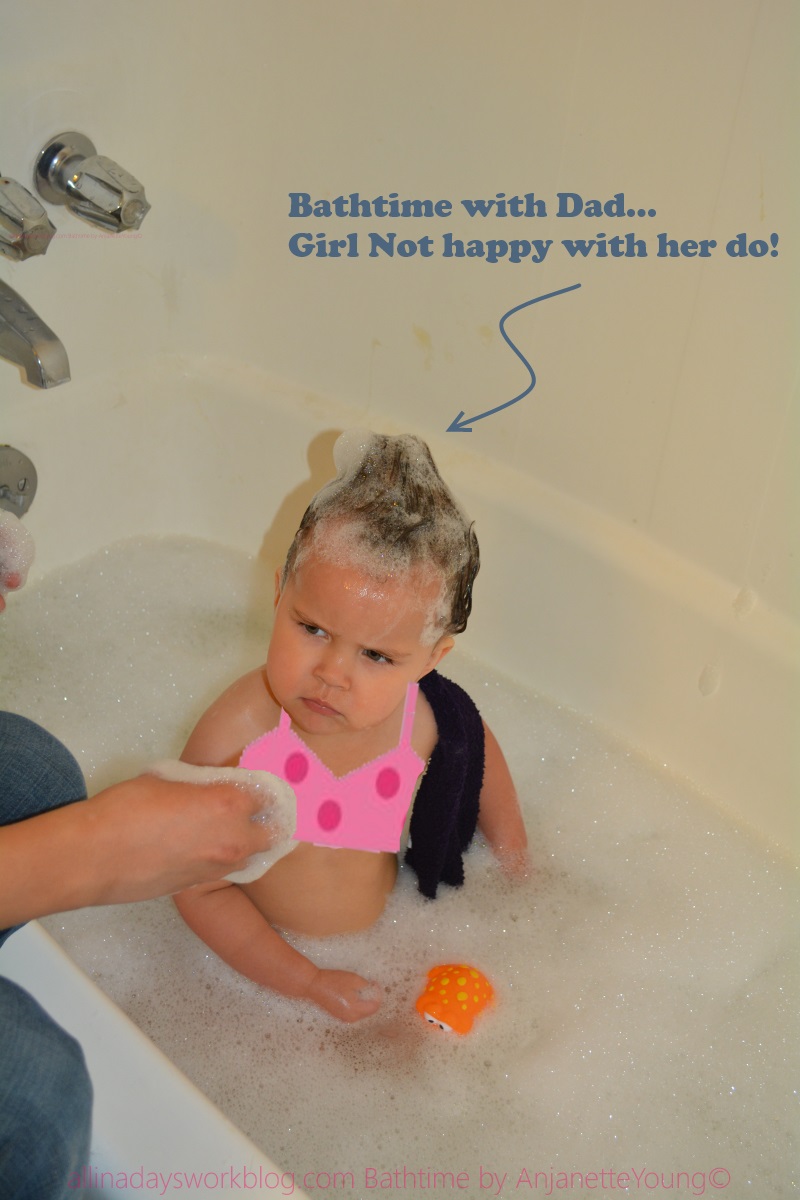
Until her hair style fell down….

AveenoDad Bathtime

Regardless of how her bath turned out I know Dad and daughter got to bond.  The Aveeno Baby Shampoo was gentle, rinsed nicely and smelled so good..

So to all the Daddy’s out there, bonding with your little ones isn’t hard at all, being silly and having fun is making them the best memories possible.

Posted in Parenting | Tagged , , , | 2 Comments

Fitness Friday: Exercise Safety Tips for Beginners

These Exercise Safety Tips for Beginners are only suggestions and ways I have started, and researched. Before starting any exercise regimen be sure to consult your Doctor. 

Yay for you!  You’ve made the decision to put exercise into your  lifestyle, and to take advantage of its numerous benefits. Smart move!

But like many good things, exercise can also be risky—especially if it’s been a while since you’ve worked up a sweat, or if you have any health conditions (including obesity) that could increase your risk of injury. So, it’s important to know how to keep yourself safe, and avoid potential problems before they happen. The following information should help you do exactly that.

Before You Start: Safety Precautions
If you are planning to increase your physical activity or start an exercise program, you start with a sedentary activity—answering a few short questions, that is. The PAR-Q (Physical Activity Readiness Questionnaire) is the gold standard in fitness safety, used by doctors, trainers and health clubs the world over. Usually comprised of 5-7 questions, it can help rule out any underlying health concerns that could worsen with exercise. Answer yes or no to the following questions.

  1. Has your doctor ever said that you have a heart condition and that you should only do physical activity recommended by a doctor?
  2. Do you feel pain in your chest when you do physical activity?
  3. In the past month, have you had chest pain when you were not doing physical activity?
  4. Do you lose your balance because of dizziness or do you ever lose consciousness?
  5. Do you have a bone or joint problem (for example, back, knee, or hip) that could be made worse by a change in your physical activity?
  6. Is your doctor currently prescribing drugs (for example, water pills) for your blood pressure or heart condition?
  7. Do you know of any other reason why you should not do physical activity?

If you answer YES to any of the questions on this list, you must check in with your doctor and get cleared for exercise before you start.
Likewise, if you have any chronic  medical conditions(such as diabetes, high blood pressure, or arthritis or risk factors (such as smoking or being more than 20 pounds overweight), and have not discussed exercising with your doctor, you should do so before beginning. Exercise is often an important part of the treatment for such conditions, but you may have some limitations or special needs that your doctor can tell you about.

*Always remember the golden rule of exercise safety, start slowly and build up the intensity and duration of your exercise gradually. Trying to go from couch potato to fitness guru over night is a recipe for disaster!

Getting Started: The Right Gear
Many injuries and setbacks occur because people don’t take the time to get themselves well-equipped for their exercise. Make sure you:

  • Wear shoes that fit well and are capable of providing the right kind of support for your activity and body type. If you’re a runner or walker, get your feet and gait analyzed, and get the right type of shoe for you—this service is usually provided free by stores that specialize in running shoes.
  • Wear appropriate exercise clothing. Fabrics that absorb sweat  and remove it from your skin are best; loose-fitting, light weight cotton is also fine. Women should wear supportive sports bras. But no one should EVER wear rubber or plastic suits or belts—these prevent your body from dissipating heat properly and can lead to serious health risks from overheating and dehydration.
  • Use protective gear: helmets for biking or high-contact sports; knee and elbow pads for skating; reflective clothing and/or lights for evening exercise; sunglasses, sunscreen, and hats for outdoor exercise.
  • Avoid things like ankle and wrist weights. They can alter your normal movement patterns and increase the risk of injury. If you must add weight to your workout, a weighted vest helps distribute weight more evenly and allows you to move more freely and normally than weights attached to your extremities.

When to Stop: Warning Signs
A certain amount of discomfort during exercise is normal and inevitable—after all, you are challenging your body to do more than it is accustomed to. And you can expect to have some sore  muscles after a vigorous workout; often the soreness doesn’t show up until a day or two later, especially with strength training.

But pain and other symptoms that occur during exercise can be warning signs that something is wrong. You should stop exercising right away if you:

  • Have pain or pressure in the left or middle part of your chest, or in the left side of your neck, left shoulder or left arm
  • Feel dizzy or sick
  • Break out in a cold sweat
  • Have muscle cramps
  • Feel sharp pain in your joints, feet, ankles, or bones
  • Notice that your heart starts racing or beating irregularly

If you start to experience these problems during high intensity aerobic exercise, it is best to immediately slow down. Allow your heart rate to drop gradually before stopping completely, since an abrupt stop can cause problems with blood circulation and fainting. However, in cases of severe and sudden pain, stop immediately, seek help, and follow up with your doctor.

Gyms & Trainers: What to Look For
If you do some of your exercise in the gym, whether on your own, in group classes, or with a personal trainer, there are some simple precautions you can take to keep yourself safe:

  • Make sure the gym’s trainers and instructors have been trained and certified by a reputable, national certification agency, such as ACE, AFAA, ACSM or NSCA. They should also hold current CPR and first aid certifications, so they can take action if an emergency occurs.
  • Ask the gym staff about the emergency action plan (every gym should have one and the employees should know its details) and equipment they have on hand, such as a basic first aid kid and an AED (Automated external defibrillator).
  • Tell every personal trainer and fitness instructor who works with you about your limitations or medical conditions. Well-trained instructors should ask about this at the beginning of any group class or during your first session and be able to offer modifications.
  • If you don’t understand the instructions given, or the proper way to do an exercise or use a piece of equipment, always ask first. Improper technique or body position is a major cause of injury.

Know Your Limits & Your Needs
A big part of exercise safety is prevention. Just as your car will run better when you service it regularly, your body will protect itself from injury when you give it the food, water, rest, and attention it needs to operate at its best.

You’ll find a lot of information in the Resource Center and on the Message Boards about basic nutrition, and exercise-related concerns such as stretching, warming up, cooling down properly, and dealing with minor aches and pains before they become big problems.

So, do your homework first, then get out there and start sweating!


Posted in Fitness Friday, Fitness/Health | 1 Comment

Why Do You Keep Eating When Your Not Hungry??

We’ve all been there – most of the time we don’t even realize it’s happening. Maybe you snack when you’re bored, or like me you keep reaching into the snack drawer at the office. Maybe your tired in the afternoons and want a pick-me-up so you head to the vending machine, or snack bar. All of these reasons are reasons we eat that don’t include hunger. No matter what food your over eating with, where or when, it’s happened to all of us. Though it’s OK from time to time eating without thinking can definitely hinder your weight loss goals, or even if your not trying to lose weight it will make you gain in no time at all!


To Cope
Emotions are a common eating trigger. Happy? You might eat a treat to celebrate. Sad? You might eat to soothe yourself with comfort food. Angry? You might take it out with a fork instead of the person who really caused it. But if you turn to food for emotional reasons, you won’t resolve the underlying issues. It may help to track your eating habits in a journal, noting your emotional state when you headed for that snack. Writing it down may help you make a connection you hadn’t seen before, like the fact that you eat when you’re lonely or angry. Then you’ll know for the future to look for a different outlet, such as calling a friend when you’re lonely or turning to that punching bag when you’re mad or stressed.


Out of Boredom
Sometimes you’re not emotional—you’re just bored. For many people, eating seems like a good solution when there’s nothing better to do; whether you graze at home on the weekends or entertain yourself with lavish dinners out. But eating can only last for so long—and then you have an afternoon to fill! If you know boredom is a trigger for your emotional eating, have a list of strategies in place to keep yourself busy and entertained when you don’t have anything else to do. Catch up with an old friend, write an old-fashioned snail-mail letter, write in your journal or blog, or volunteer,in your community, take up a new hobby or read a book you’ve always wanted to read. Better yet, make your boredom-buster an active endeavor, such as trying a new class at the gym, playing an active video game, going for a walk with the dog or flying a kite. Eating won’t sound as appealing if you have a fun alternative to occupy your mind and your body!


Because Other People Are Eating
When you’re out enjoying a dinner with family or friends, it can be easy to eat when you’re past the point of fullness—especially if you’re enamored in conversation and not paying attention to your satiation level. Perhaps more common, it’s easy to indulge when others around you are eating, too. It makes you feel like you fit in, and that it’s OK since everyone else is doing it. Research shows that our habits mimic our companions’ actions in situations like these. You don’t have to swear off happy hour with friends to watch your weight though. When your dining companions devour a second basket of bread or chips, or order dessert, don’t automatically follow suit. Check in with your  hunger level to see if you really need it or if you’ll be more satisfied with the fun conversation. 

Because Food is There
Have a candy jar at the office that calls your name? Do you feel powerless to pass up food at a party, even if you’ve already eaten? When food is in plain sight, it can be so easy to grab a handful simply because it’s there. It looks good. You like it. It’s right in front of you. What’s the harm? Any food that is nearby, visible and easily accessible is hard for anyone to turn down. If you’re unable to nix the trigger food altogether, move the treats out of sight—you’ll be less likely to grab a handful. So if you buy a bag of Oreos, put them on a high shelf in a cabinet—not on the counter. Instead of a clear candy jar, try an opaque one or move it to another location. (Alternatively, stock the candy jar with a healthier, more filling treat—like nuts or trail mix.) When you’re already full and food is out at a party, stand with your back to the table or in another room. The flipside of this works, too. When you keep lots of other healthy foods in sight, like a bowl of fruit on the table, you’re more likely to eat them.

Because It’s a Special Occasion
If you work in a big office or have a big family, it can seem like every day is someone’s birthday, anniversary, or shower. And if those celebrations often involve cake or alcohol, it might seem that every party is a calorie-laden minefield. If you don’t want to have a piece of cake every day, don’t automatically get in the cake line when it’s your bosses’ birthday—you can always show your face at the celebration without taking part in the punch bowl. Remember: Celebrations are about the people, not the food. If you do best without temptation, skip the gathering altogether or bring your own low-cal treat. Here’s another tactic: New research shows that just imagining yourself eating a treat can decrease your desire to eat the real thing. Passing up cake or celebratory food on occasion just got easier!

Because You’re Tired
The dreaded afternoon energy lull can drive even the most disciplined of us to food—especially sugary treats. But that sugar rush might be followed by an even worse crash. Instead, take a walk around the office, head outside for some rejuvenating natural light, or drink a cup of coffee or a tall glass of cold water. A change of scenery might be just the ticket to battle the afternoon lull.

Because the Clock Says So
Do you pull out your lunchbox when the clock strikes noon, just because it’s time for lunch? Or head to the kitchen at 6 p.m. just because that’s your typical dinnertime? Don’t just eat when the clock tells you to! When mealtime hits, use it as a cue to check in with your current hunger level. Are you actually hungry? If so, whip up that healthy meal. If not, wait until your body tells you to eat, and ignore the clock.

Because It’s Free (Or Cheap)
Everyone loves to get a good deal. But don’t eat up just because it’s FREE (think free samples at the grocery store) or super cheap (buy-one-get-one-free sodas or all-you-can-eat buffets). Always check in with your body’s hunger level before you automatically fill your plate with a freebie.


What are some reasons you over eat, and how to you control them??
Posted in Fitness/Health | Leave a comment

Could you Save Money by Leasing a Family Car?

Is your family’s car on its last legs? If you’re thinking about buying something new, you have several different options to consider. Not only should you compare models carefully to find a vehicle that best suits your family’s needs, but you can also choose between buying and leasing the car. There are financial pros and cons to both options, so it’s worth taking a closer look at what leasing entails to see if this could save your family a bit of cash in the long run.

800px-2011_Volkswagen_Golf_(5K)_90TSI_Trendline_5-door_hatchback_(2011-10-12)

Image Source: NRMA Motoring and Services/Wikimedia Commons

Benefits of Leasing
Leasing can be beneficial if you don’t already have a car to trade in, because it helps you
avoid the need to save up for a hefty down payment. For cash-strapped families, this can
make driving a brand new car a more realistic goal. You can expect to pay a deposit of some
sort, but it won’t be as significant of a cost as it would in the case of buying a car. Monthly
leasing payments also tend to be lower than car loan payments. The upside of lower monthly
payments and a smaller deposit is that you may be able to afford a bigger car for your family.
When signing a lease, you can also extend it to the same terms of the manufacturer’s
warranty, which prevents you from worrying about maintenance fees over time. Your
employer may provide incentives to leasing a car for work purposes, which is also well worth
looking into. You can look at this article here to read more about options for employee
leasing.

The Downsides to Leasing
Naturally, leasing isn’t right for everyone. Over an extended period of time, leasing will cost
you more than buying the car would. Whether or not this is a financially sound decision
depends on how long you plan to drive the car, for example. If you like to trade in your car every two years or so, it can be ideal because your monthly payments are lower.

Yet for  longer time periods, buying a car is more financially advantageous.
There may also be restrictions built into the lease terms, which is why it’s important to review
them carefully before signing on the dotted line. Some lease contracts put a mileage limit on
the car, for example. You may have to pay extra for wear and tear. If you spend a lot of time
in the car running errands, taking road trips, or commuting long distances, you may end up
paying more for this.

The Bottom Line
Some families may be able to save money by leasing a car rather than buying, but this
depends on your driving habits and what you need the car for. If you simply use the car for
the daily school run and enjoy driving a brand new car every two years, it could work out to
be a good deal. Yet if you are looking for a family car that will last you for the long haul,
buying a new model probably makes more sense. Be sure to weigh all options carefully to
find the best fit for you and your family.

Posted in Money Matters | Leave a comment

Father’s Day iPad Mini Giveaway with Boogie Wipes

What is a cooler than Dad’s? We can’t think of much – but winning an iPad Mini along with Boogie Wipes Backpacks  stuffed with swag sure can make this Father’s Day special. So we’ve teaming up with Boogie Wipes to give away some great gifts for dads.

Boogie Wipes Father's Day Giveaway - enter to win great gifts for dads, including an iPad Mini!

Three lucky dads will win a Daddy & Company camouflage backpack stuffed with a Cool Dads T-shirt, and Boogie Wipes, Kandoo and Dreft products.

And one grand prize winner will take home an iPad Mini.

We love you, dads!

Enter to Win

It’s simple to enter. Just complete the rafflecopter form below to have your name entered into the drawing. Giveaway ends at midnight on Father’s Day (June 15) – so enter now!

One grand prize winner will receive the iPad Mini and three additional winners will receive the backpacks. Winners will be be randomly chosen.

a Rafflecopter giveaway

Looking for more ways to celebrate Dad?

Visit the Boogie Wipes blog for fun ways to celebrate Father’s Day outside and fun crafts your kids can make for dads.

Boogie Wipes Blog Father's Day

All in a Days Work received no compensation for sponsoring this event, and is not responsible for the delivery of the prize. Prize delivery is the sold responsibility of Boogie Wipes. One grand prize winner and three additional winners will be drawn randomly and notified by email. The winner(s) will have 48 hours to respond in order to claim their prize. If they do not respond within the 48 hours, they will forfeit the prize and an alternate winner will be chosen.

Posted in Giveaways | 1 Comment